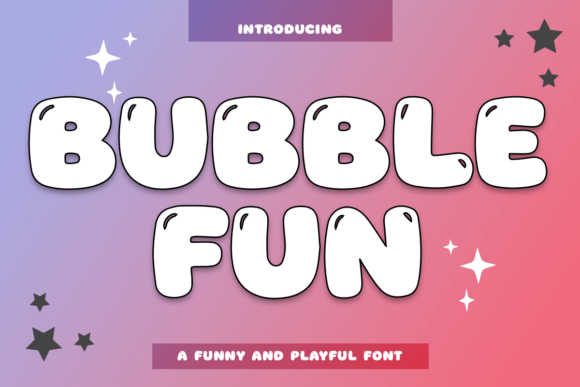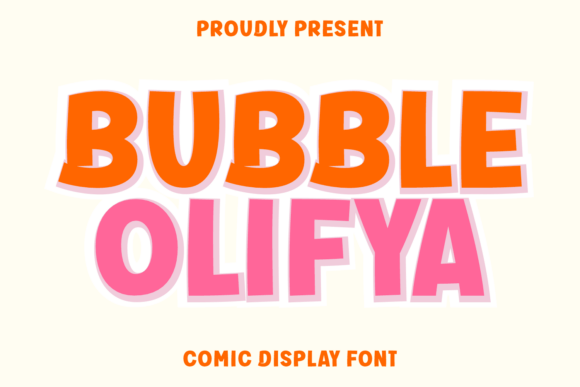
Bubble Olifya: A Playful Display Font for Modern Branding
I remember the exact moment I knew Bubble Olifya was going to be the anchor for a new bakery brand identity. The client, a local artisanal shop owner, had a vision that felt warm, nostalgic, yet undeniably modern. We were staring at a blank digital brand board, and the logo draft looked stiff. Every standard sans serif felt too corporate, and every traditional script felt too old-fashioned. Then I dropped Bubble Olifya onto the canvas. Suddenly, the design breathed. It wasn't just a font choice; it was a mood shift.
This playful display font bursts with charm, encompassing everything from traditional holiday vibes to contemporary pop culture aesthetics. As a designer who has spent years testing typefaces in real-world scenarios, I rarely find a single character set that works as seamlessly across such diverse mediums as this one does. From packaging mockups to website headers, Bubble Olifya brings a specific kind of joy that is hard to replicate with generic assets.
A Real-World Test Across Design Assets
Testing a premium font like Bubble Olifya isn't just about looking at letterforms on a screen; it's about seeing how they behave when applied to physical and digital touchpoints. I took this typeface through a rigorous workflow involving logo design, business cards, and social media graphics to see if it held up under pressure.
In the logo design phase, the rounded terminals and slightly irregular weight distribution gave the bakery name an instant personality. It felt handmade without actually being hand-drawn. When I scaled it down for a business card, the legibility remained surprisingly strong. Unlike many decorative fonts that turn into mush at small sizes, Bubble Olifya maintains its distinct character even when reduced, provided you keep enough leading between lines.
The transition to packaging design was where this font truly shone. Imagine a label on a jar of homemade jam or a sticker on a candle box. The font's "bubble" aesthetic suggests softness and approachability, which aligns perfectly with products meant to comfort or delight. On a product mockup, the text didn't look pasted on; it looked integrated into the material texture. This is crucial for brand identity, as it signals quality and attention to detail.
Digital applications were equally impressive. In web design, specifically for homepage hero sections, the font commands attention without screaming for it. It works beautifully as a headline font, guiding the user's eye immediately to the value proposition. For social media graphics, whether it's an Instagram post header or a story highlight cover, the font adds a layer of visual hierarchy that separates content from the background noise of the feed. It turns a simple caption into a branded asset.
Navigating Strengths and Limitations
While Bubble Olifya is versatile, no single typeface is a magic bullet. Understanding its limitations is just as important as celebrating its strengths. This is primarily a display font, meaning it is best suited for short phrases, headlines, and accents rather than long-form body text. If you attempt to use it for editorial design paragraphs or legal disclaimers, readability will suffer, and the brand perception may shift from playful to chaotic.
I also found that while it excels in creative font applications, it might not be the right fit for formal corporate environments. A law firm or a financial institution would likely find the bubbly nature of the letters undermines their need for authority and seriousness. However, for creative studios, crafters, hobbyists, and small business owners looking to inject personality into their commercial font usage, it is a powerhouse.
One practical observation from my testing involved the font's performance on different backgrounds. On high-contrast black and white, the letters popped beautifully. However, on complex photographic backgrounds, the varying stroke widths sometimes created a moiré effect or made the text harder to distinguish. This taught me to always test the font pairing and contrast levels before finalizing a design asset. For instance, pairing it with a clean, neutral sans serif font for subheadings or body copy creates a balanced composition that lets the Bubble Olifya shine without overwhelming the viewer.
Building a Cohesive Typography System
Effective brand identity relies on consistency. When using a characterful typeface like this, you need to know how it interacts with other styles. I tested Bubble Olifya alongside a classic serif font for a boutique skincare brand. The combination worked surprisingly well; the elegance of the serif grounded the whimsy of the bubble font, creating a sophisticated yet fun vibe.
For projects requiring a more unified look, pairing it with a geometric sans serif font can create a modern, cohesive system. If your project leans heavily into the handmade aesthetic, a subtle script font or handwritten font can complement the organic feel of the bubbles, but be careful not to let them compete. The key is to let Bubble Olifya take the lead as the primary voice and use supporting typefaces to provide structure and readability.
When reviewing the included styles, alternates, and ligatures, I noticed that the font offers enough variation to keep designs fresh. Using swashes or alternate characters sparingly can add a custom touch to logos and posters, making them feel bespoke. This level of detail is essential for modern typography systems that aim to stand out in a crowded market.
Practical Guidance for Designers and Creators
If you are considering adding Bubble Olifya to your toolkit, I recommend starting with a small pilot project. Don't jump straight into a major rebrand without testing the waters. Create a few variations: try it on a poster, a flyer, and a digital banner. See how it feels in your hands. Does it convey the message you want? Does it feel authentic to the brand story?
It is also vital to review the file formats and webfont availability before committing. Most professional designers need both desktop and web versions to ensure the typeface renders correctly across all devices. Check if the package includes OpenType features that allow for advanced ligatures or stylistic sets, as these can elevate your design assets significantly.
Finally, a critical note on licensing. Before using this font in client work, packaging, templates, merchandise, websites, or print-on-demand products, always check the commercial font licensing agreement. Some licenses restrict usage in certain contexts, such as reselling templates or embedding in apps. Ensuring you have the correct permissions protects both you and your clients from potential legal issues. Whether you are a freelancer, an entrepreneur, or part of a creative studio, respecting these boundaries is part of maintaining a professional reputation.
In conclusion, Bubble Olifya is more than just a pretty face in the world of fonts. It is a functional tool that, when used correctly, can transform a flat design into an engaging experience. Its ability to bridge the gap between traditional charm and modern playfulness makes it an invaluable addition to any designer's arsenal. Whether you are refreshing a café visual identity or launching a new line of handmade goods, this font provides the spark needed to make your brand memorable.